Introduction:
Modern material handling isn’t just about moving things from point A to point B; it’s about the “brain” behind the brawn. While mechanical parts do the heavy lifting, the electrical infrastructure provides the responsiveness and precision that modern logistics demand.
From massive distribution centers to specialized food processing plants, the synergy between electrical components and the conveyor belt itself is what determines your daily throughput, your safety record, and how long your equipment actually lasts.
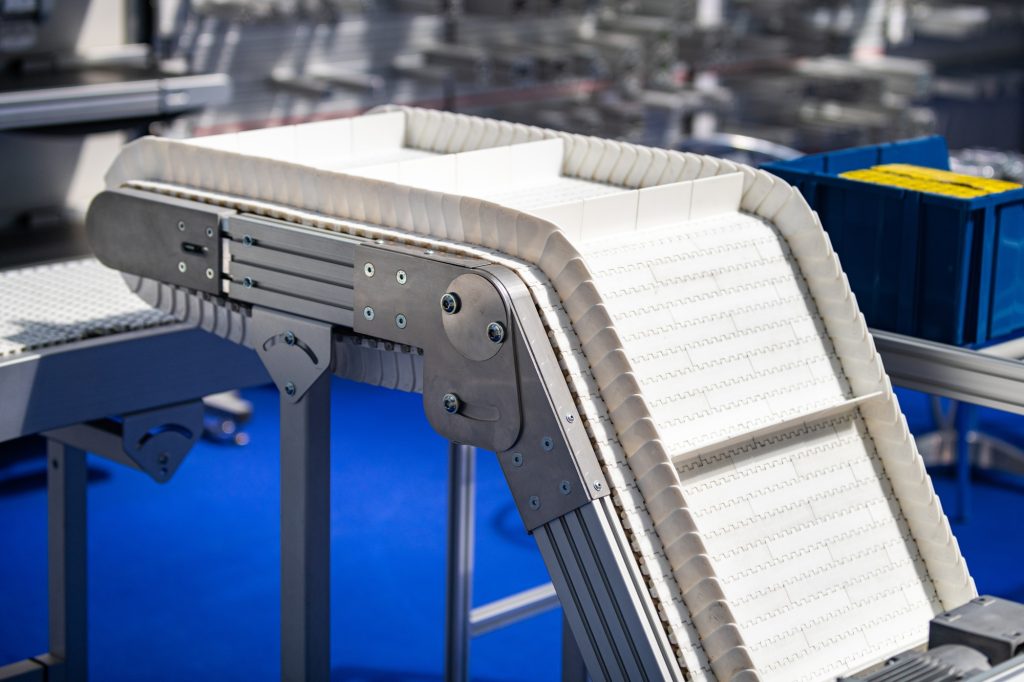
Whether you’re running standard PVC belts for packaging or high-grade PU (polyurethane) belts for food-grade precision, the underlying electrical framework is the true engine of efficiency.
This article explores 7 key roles electrical systems play in conveyor operations, how they interact with belt types, and why thoughtful integration improves operational outcomes.
Understanding the Relationship Between Electricals and Conveyor Belts
At its core, a conveyor system is only as smart as its electrical “brain.” While the mechanical components do the heavy lifting, the electrical infrastructure handles the critical tasks of regulating motion, monitoring health, and keeping the operation fluid.
Think of the electrical system as the nervous system of the facility. It manages everything from basic power delivery and signal communication to advanced automation and safety protocols.
Why the Electrical Side Matters
In a modern setup, the electrical backbone provides a level of control that purely mechanical systems simply can’t match. It allows you to:
Fine-Tune Movement: Adjust speed and torque on the fly to match production demands.
Predictive Monitoring: Spot electrical fluctuations or anomalies before they turn into a full-scale breakdown.
Synchronized Logic: Coordinate multiple lines to work in harmony, preventing bottlenecks.
Safety First: Implement instant, reliable shutdown procedures to protect both the staff and the machinery.
Precision Control for Specialized Belting
This electrical precision is especially vital when using specialized materials like PVC and PU (Polyurethane) belts. Because these materials are often chosen for their specific flexibility, hygiene standards, or wear resistance, they require a “gentle touch.”
For example, a PU belt used in food processing needs precise tension and speed control to maintain its hygienic integrity and prevent premature stretching. Proper electrical regulation ensures these high-performance materials operate within their ideal parameters, maximizing their lifespan and keeping your line running efficiently.
7 Key Roles of Electrical in Conveyor Belt Systems
1. Power Distribution and Energy Regulation
At the core of every conveyor installation lies structured power delivery. Electrical distribution ensures motors receive stable energy input, preventing fluctuations that could affect belt tension or tracking.
Consistent power management supports:
Smooth startup and stopping sequences
Protection against voltage irregularities
Reduced mechanical strain on PVC and PU belts
For example:
PVC conveyor belts used in packaging lines benefit from steady motor output that maintains alignment and reduces surface wear.
PU conveyor belts handling delicate or hygienic products require consistent motion control to avoid product disturbance or contamination risks caused by abrupt movement.
Reliable power architecture ultimately supports operational continuity and reduces corrective maintenance interventions.
2. Motor Control and Speed Management
Electrical motor control systems regulate conveyor movement through variable frequency drives, starters, and programmable logic interfaces. These tools allow operators to adjust operational parameters to match product flow and handling requirements.
Precise speed management contributes to:
Optimized material spacing
Reduced belt stress
Energy-conscious operation
Improved synchronization across production lines
In environments where PU belts transport sensitive materials or PVC belts handle packaged goods, controlled acceleration and deceleration protect both products and belt surfaces.
The ability to adapt speed dynamically also enables facilities to respond to demand fluctuations without mechanical alterations.
3. Automation and Process Coordination
Electrical systems enable conveyors to function as integrated components of broader workflows rather than isolated transport mechanisms. Sensors, programmable controllers, and communication networks allow conveyors to respond to real-time conditions.
Automation capabilities include:
Load detection and routing
Interfacing with packaging or sorting equipment
Coordinated line balancing
Data-driven process adjustments
When electricals enable seamless coordination, PVC and PU conveyor belts operate within synchronized ecosystems that maximize throughput and minimize idle movement.
This coordinated behavior supports production transparency and enhances decision-making based on operational data.
4. Monitoring and Fault Detection
Electrical monitoring systems continuously track conveyor conditions through sensors measuring temperature, current draw, alignment, and vibration.
These monitoring functions allow teams to:
Identify performance deviations early
Schedule targeted maintenance
Avoid unexpected stoppages
Extend belt service life
For PVC conveyor belts, monitoring helps maintain structural integrity in high-cycle environments.
For PU belts, it supports hygienic reliability by preventing unnoticed wear that could affect product handling.
Proactive detection shifts maintenance strategies toward planned intervention rather than reactive response, supporting cost predictability and operational stability.
5. Safety Assurance and Emergency Control
Safety mechanisms embedded in electrical systems safeguard both personnel and equipment. Emergency stops, interlocks, and overload protection create controlled responses to unforeseen situations.
These safeguards provide:
Immediate system halting capability
Prevention of motor overheating
Protection against electrical surges
Compliance with workplace safety expectations
The presence of dependable safety architecture ensures PVC and PU conveyor belt installations remain dependable under varied operating conditions while protecting operators interacting with them.
6. Energy Optimization and Operational Insight
Electrical analytics and energy monitoring tools provide visibility into consumption patterns, enabling organizations to refine operational strategies.
Benefits include:
Identifying inefficiencies in conveyor usage
Adjusting load distribution
Supporting sustainability initiatives
Reducing operational expenditure
Since belt materials respond differently to load and motion profiles, electrical insights help ensure both PVC and PU belts are utilized in ways that preserve their functional advantages over time.
7. Scalability and System Expansion
As facilities grow, conveyor systems must evolve without extensive structural redesign. Electrical architecture allows new segments, sensors, or automation features to be incorporated with minimal disruption.
Scalable electrical integration enables:
Expansion of conveyor networks
Integration with emerging technologies
Future-proof system planning
This adaptability ensures investments in conveyor electrical infrastructure continue delivering value as operational needs change.
Conclusion
Electrical systems are far more than just “support” for a conveyor they are the brain and nervous system of the entire operation. From managing power and motion to ensuring every safety sensor is firing correctly, the electrical setup dictates how reliable and responsive your facility actually is.
When you pair high-quality PVC or PU belts with a smart electrical backbone, the results are immediate: better handling, clearer data, and equipment that lasts longer. Ultimately, companies that treat their electrical and mechanical components as a single, unified system are the ones that achieve true scalability and consistent performance.
Organizations that recognize this relationship position their material handling processes for consistent performance and informed scalability.
Ready to Level Up Your Operation?
If you’re looking to boost reliability or are in the middle of planning an upgrade, it’s time to look under the hood at your electrical integration. Don’t just pick a belt; build a system.
Book a consultation with our team now. Let’s work together to build a conveyor environment that responds intelligently to your operational demands.